
What Is the DOE (Department of Environment)?
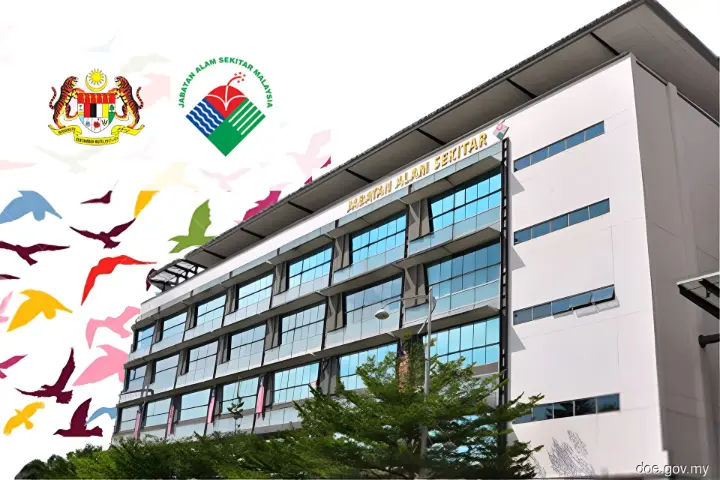
The Department of Environment, also known as Jabatan Alam Sekitar (JAS) is a federal government agency under the Ministry of Natural Resources and Environmental Sustainability (NRES).
Its authority is primarily derived from the Environmental Quality Act 1974 (EQA 1974).
DOE’s Core Responsibilities:
- Preventing, controlling, and monitoring industrial pollution
- Reviewing and approving Environmental Impact Assessments (EIA)
- Regulating air emissions and industrial effluent discharge
- Managing scheduled (hazardous) waste
- Conducting enforcement inspections and legal action for non-compliance
The DOE has headquarters in Putrajaya and state offices across Malaysia.
When Does DOE Approval Apply to Industrial Projects?
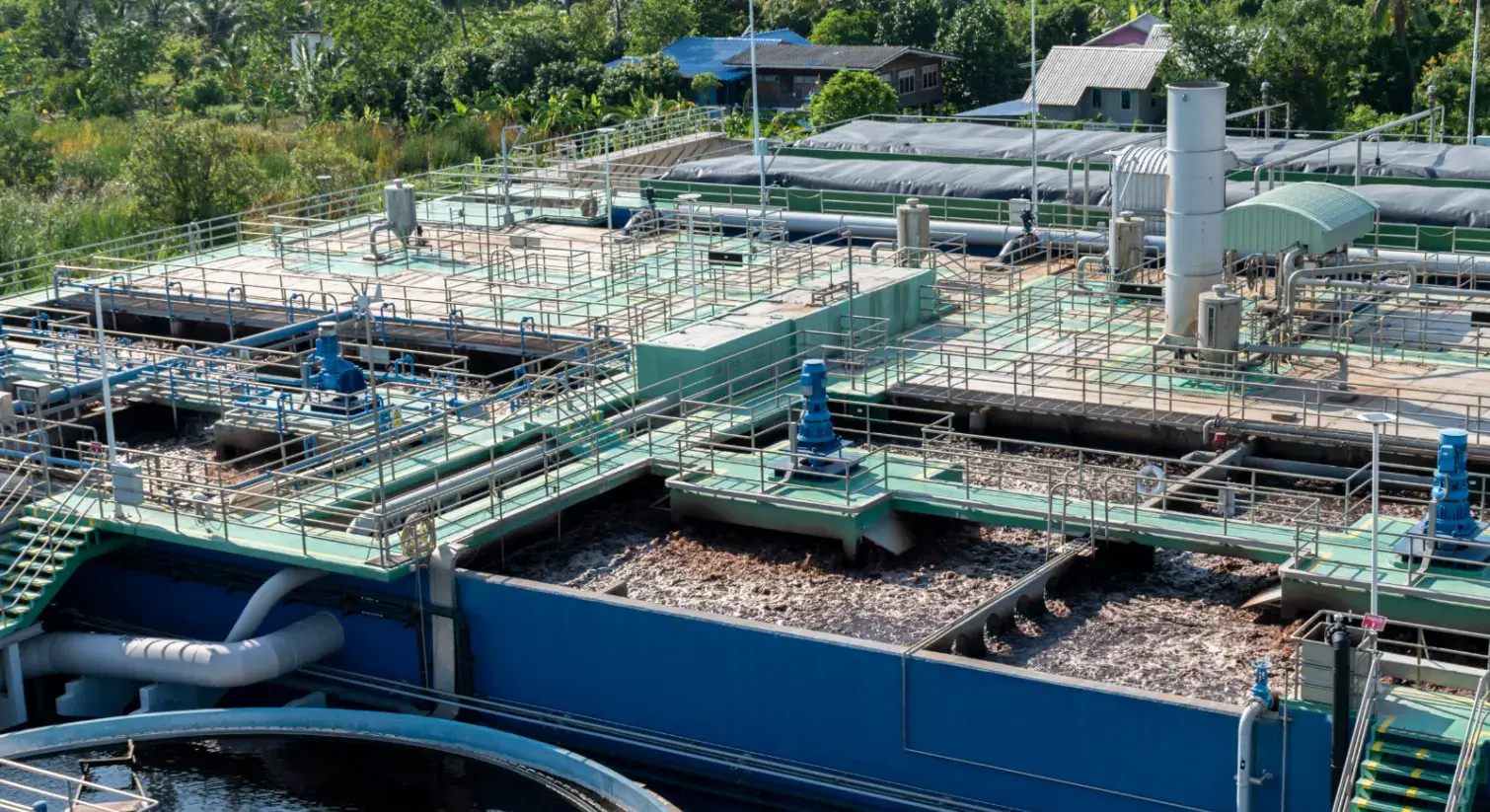
DOE involvement is typically required if you are:
- Building a new factory
- Expanding production capacity that increases emissions
- Installing new fuel-burning equipment (e.g., boilers, generators)
- Discharging industrial effluent into waterways
- Handling or producing hazardous chemicals
- Developing land near environmentally sensitive areas
Even if your project is located in an approved industrial zone, environmental approval may still be required.
Why DOE Compliance Matters
Non-compliance with the Environmental Quality Act 1974 can result in:
- Compound fines
- Court prosecution
- Stop-work orders
- Revocation of operating approvals
- Reputational damage
More importantly, compliance ensures sustainable industrial development and protects Malaysia’s air, water, and communities.
Key DOE Approvals and Submissions for Factories
Environmental Impact Assessment (EIA)
Under Section 34A of the Environmental Quality Act 1974, certain prescribed activities must undergo an Environmental Impact Assessment before approval.
EIA is typically required for:
- Heavy industries (e.g., petrochemical, cement, steel)
- Large-scale industrial developments
- Projects exceeding specific land size thresholds
- Developments near rivers, forests, or residential areas
An EIA must be prepared by a DOE-registered consultant and submitted for review. Some EIAs require public display and feedback before approval.
Written Notification & Permission to Install (PTI)
Before installing equipment that may emit pollutants (e.g., chimneys, boilers, air pollution control systems), manufacturers must apply for approval.
This falls under:
- Section 19 (air pollution control)
- Relevant Environmental Quality (Clean Air) Regulations
The DOE reviews:
- Technical specifications
- Emission control design
- Stack height calculations
- Pollution mitigation measures
Approval must be obtained before installation.
Permission to Operate (PTO)
After installation and inspection, operators must obtain Permission to Operate (PTO) before using certain equipment.
The DOE ensures:
- Emission limits meet regulatory standards
- Monitoring systems are installed
- Pollution control devices function properly
Operating without PTO can result in fines or shutdown orders.
Scheduled Waste Notification & Management
If your factory generates scheduled waste (as defined under the Environmental Quality (Scheduled Wastes) Regulations 2005), you must:
- Notify DOE of waste generation
- Store waste in approved containers
- Label waste according to SW codes
- Dispose of waste through licensed contractors
- Submit scheduled waste inventory reports
Improper handling of scheduled waste can lead to severe penalties, including prosecution.
Common Mistakes That Delay Industrial Projects
Many developers face delays because they:
❌ Start construction before confirming EIA requirements
❌ Install equipment without PTI approval
❌ Underestimate waste classification requirements
❌ Fail to engage qualified environmental consultants
❌ Ignore emission monitoring obligations
Understanding the Role of Malaysia’s Department of Environment (DOE) in Industrial Development