
Balance Sheet
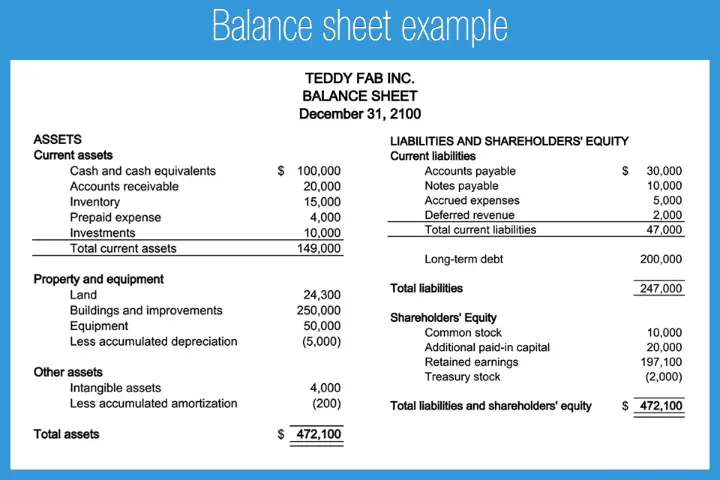
The balance sheet provides a snapshot of a company’s financial position at a specific point in time. It shows what the business owns, what it owes, and the value invested by the owners.
A typical balance sheet consists of three main components:
- Assets – resources owned by the business, such as cash, inventory, and equipment
- Liabilities – financial obligations such as loans, accounts payable, and other debts
- Equity – the owner’s investment in the business after deducting liabilities
By analysing the balance sheet, business owners can evaluate whether the company has enough assets to cover its liabilities and determine the overall financial stability of the business.
Cash Flow Statement
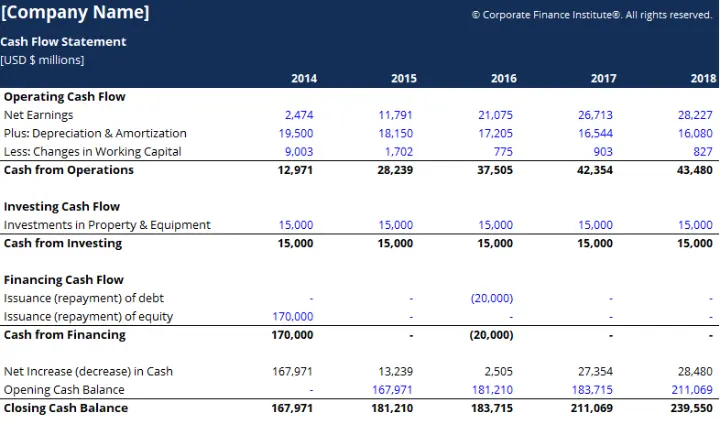
The cash flow statement tracks how cash moves in and out of a business during a specific period. This report helps SMEs understand whether they have enough liquidity to sustain daily operations.
Cash flow statements are generally divided into three categories:
- Operating activities – cash generated from core business operations such as sales and expenses
- Investing activities – cash used for purchasing or selling assets like equipment or property
- Financing activities – cash related to loans, investments, or dividend payments
Even if a business is profitable on paper, poor cash flow management can still create financial difficulties. Therefore, monitoring cash flow helps SMEs ensure they can meet short-term financial obligations.
Profit and Loss Statement
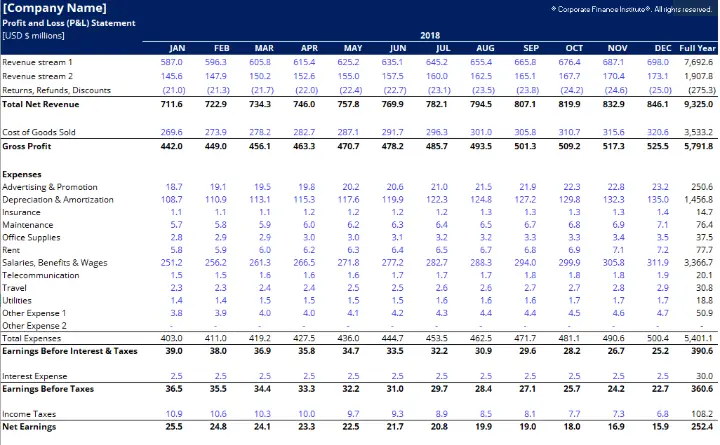
The profit and loss statement, also known as the income statement, summarises a company’s revenues, expenses, and overall profitability over a specific period.
This financial statement shows:
- Revenue generated from business activities
- Costs associated with producing goods or services
- Operating expenses such as salaries, rent, and utilities
- The final net profit or loss for the period
The main purpose of this statement is to determine whether the business is operating profitably. Even companies with high revenue may still incur losses if their expenses are too high, which is why monitoring the profit and loss statement is essential for financial decision-making.
Key Financial Statements Every SME Owner Should Understand