
What Is Food Handling Training?
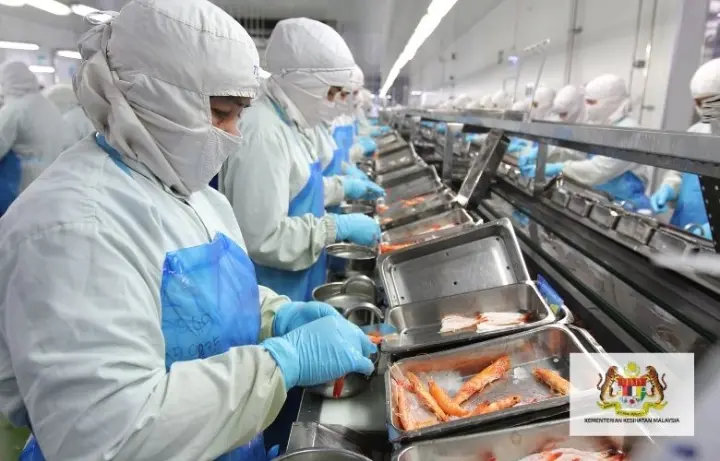
Food Handling Training is a mandatory course designed to educate food handlers on hygiene, food safety, and proper handling procedures.
The training provides basic knowledge about:
- Personal hygiene for food handlers
- Safe food preparation and storage
- Preventing contamination and foodborne illnesses
- Pest and waste control in food premises
- Food safety regulations and legal responsibilities
The course is usually conducted by training schools approved by the Ministry of Health Malaysia. At the end of the course, participants receive a Food Handling Certificate, which proves they have completed the required training.
Who Must Attend Food Handling Training?

Food handling training is required for anyone who directly or indirectly handles food in a commercial setting.
Examples of individuals who must attend the course include:
- Restaurant and café employees
- Food stall operators and hawkers
- Kitchen assistants and cooks
- Catering staff
- Food production workers in factories
- Workers involved in food transportation or packaging
Essentially, anyone who prepares, handles, serves, or comes into contact with food must complete the training to comply with Malaysian regulations.
Additional Requirements for Food Handlers
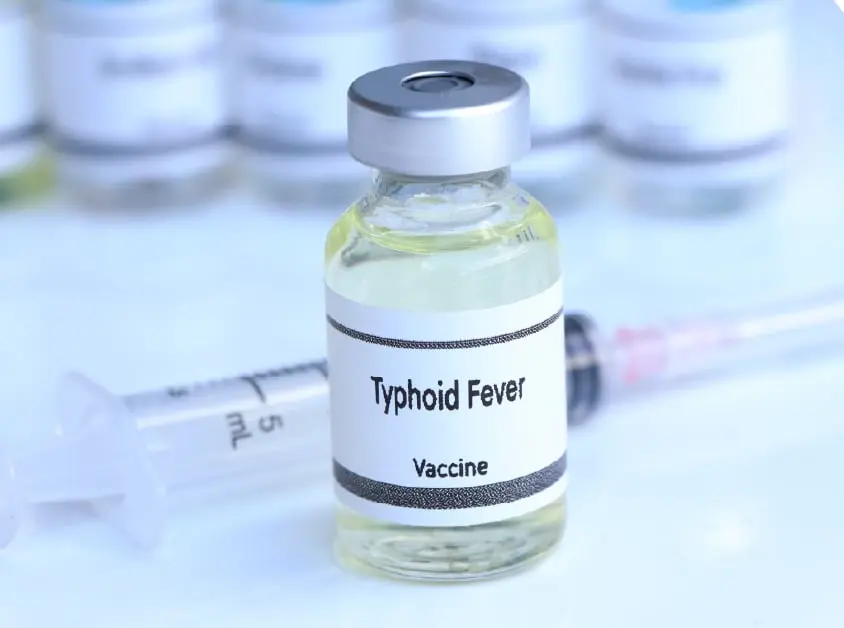
Besides attending training, food handlers must also meet other health requirements to ensure food safety.
One important requirement is the typhoid vaccination, which protects against typhoid fever—a disease that can spread through contaminated food or water. The vaccination is mandatory for food handlers in Malaysia and must be renewed periodically to remain valid.
During inspections, authorities may request proof of both the food handling certificate and typhoid vaccination records.
How to Obtain a Food Handling Certificate
Obtaining a food handling certificate in Malaysia is relatively straightforward. The process typically involves attending a short training course organized by a Ministry of Health–approved training provider.
The general process includes:
- Registering for a food handling course with an approved training centre
- Attending the training session, which typically lasts a few hours
- Completing the course and receiving the Food Handling Certificate
The certificate is generally valid for a lifetime, although the typhoid vaccination must be renewed periodically to maintain compliance.
Some training providers also offer online courses, allowing businesses to train multiple staff members conveniently.
Penalties for Non-Compliance

Failure to comply with food handling training requirements can lead to serious penalties for both food handlers and business operators.
Under the Food Hygiene Regulations 2009, individuals who handle food without proper certification may face:
- A fine of up to RM10,000
- Imprisonment of up to two years
- Or both penalties simultaneously.
Authorities may also issue closure orders for food premises that fail to meet hygiene and food safety requirements.
Why Food Handling Training Is Important
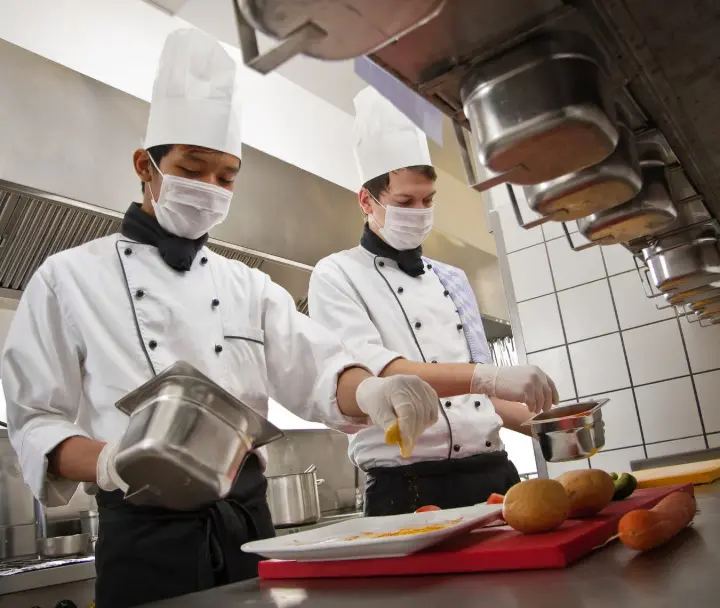
Food handling training plays an important role in protecting public health and maintaining high standards in the food industry.
Proper training helps food handlers:
- Understand safe food preparation practices
- Reduce the risk of contamination and food poisoning
- Maintain hygiene in kitchens and food premises
- Comply with Malaysian food safety regulations
For businesses, ensuring employees complete this training also helps build customer trust and improves compliance with licensing requirements.
Food Handling Training in Malaysia: Requirements, Certification, and Compliance Guide