
Assessing the Possibility of Debt Recovery
Before starting the debt recovery process, businesses should evaluate whether recovering the debt is realistically possible.
Important factors to consider include:
- Whether the debtor is still operating or financially active
- Whether proper documents exist, such as contracts or invoices
- Whether the debtor has assets or income to repay the outstanding debt
- Whether the debt is still within the legal time limit
In Malaysia, the Limitation Act 1953 generally gives creditors six years to pursue a debt through legal action before the claim becomes time-barred.
Sending Payment Reminders
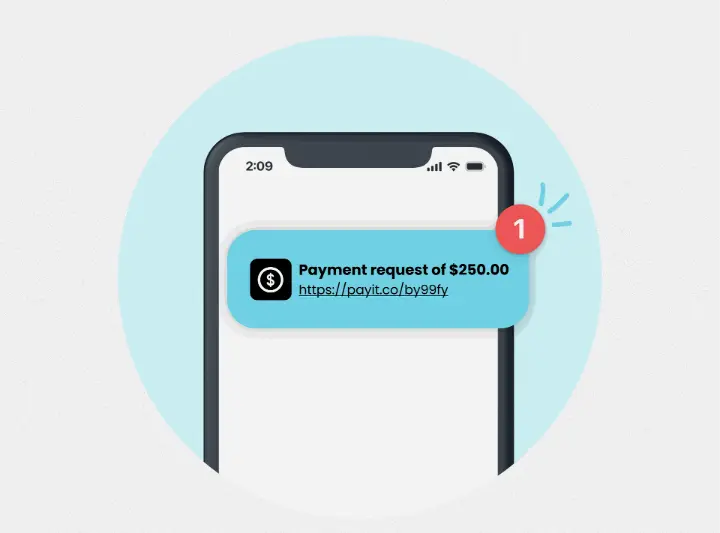
The first step in many cases is simply sending a payment reminder to the debtor. Businesses may contact the debtor through email, letters, or phone calls to inform them that payment is overdue.
Payment reminders may include:
- Details of the overdue invoice
- The amount of the outstanding debt
- A deadline for payment
- Payment methods or instructions
In some situations, the debtor may have overlooked the invoice or experienced temporary financial issues. Communication at this stage often resolves the issue without further action.
Negotiating a Settlement

If the debtor cannot immediately pay the full amount, businesses may consider negotiating a settlement.
Possible settlement arrangements include:
- Agreeing on installment payments
- Accepting a partial settlement
- Extending the payment deadline
- Restructuring the payment terms
Negotiation is often faster and less expensive than going to court, and it allows both parties to reach a mutually acceptable solution.
Issuing a Letter of Demand (LOD)
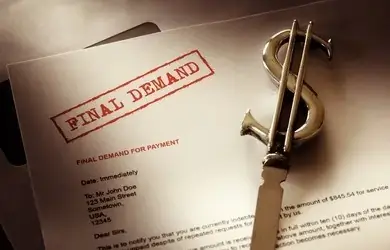
When payment reminders are ignored, the next step may involve issuing a Letter of Demand.
A Letter of Demand is usually prepared by a lawyer and formally requests payment within a specified period, often 7 to 21 days. The letter typically includes:
- The amount owed
- Details of the debt
- The payment deadline
- A warning that legal action may be taken if the debtor fails to pay
Receiving a lawyer’s letter often encourages debtors to settle their debts before the matter escalates to court.
Taking Legal Action

If the debtor still refuses to pay, creditors may take legal action to recover the debt through the courts.
Possible legal enforcement methods include:
- Filing a lawsuit to obtain a court judgment
- Garnishee proceedings to recover funds from bank accounts
- Seizure and sale of the debtor’s assets
- Bankruptcy proceedings against individuals
- Winding-up proceedings against companies
While legal action can successfully recover debts, it may involve legal fees and longer processing times.
Writing Off Bad Debts
In some situations, businesses may conclude that the debt cannot be recovered.
In such cases, companies may choose to write off the debt as a bad debt. This may allow businesses to claim a tax deduction, provided there is evidence that reasonable efforts were made to recover the payment.
Supporting documents may include:
- Invoices issued to the debtor
- Copies of payment reminders
- A Letter of Demand or legal correspondence
Writing off the debt does not recover the money but can reduce the financial impact on the business.
Debt Recovery for Small Businesses in Malaysia: Legal Options and Practical Steps