
What Is a Restaurant Halal Management System?
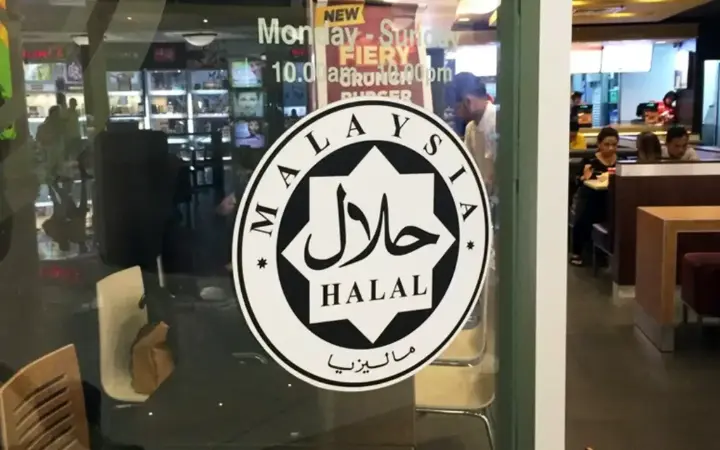
A Restaurant Halal Management System refers to the internal procedures and policies used by a restaurant to ensure that all food preparation and operations comply with halal requirements.
The system focuses on maintaining halal integrity across the entire food chain, including ingredient sourcing, food preparation, kitchen management, and staff practices.
By implementing a structured halal management system, restaurants can demonstrate that their products and services meet the standards required for halal certification.
Why Halal Management Is Important for Restaurants
Malaysia has a large Muslim population, and halal compliance is a key factor influencing where many customers choose to dine.
Restaurants that implement halal management practices can benefit from:
- Increased consumer trust
- Access to a wider Muslim customer base
- Opportunities for international halal markets
- Stronger brand reputation
Although halal certification is not mandatory for most restaurants, businesses cannot claim their products are halal or display a halal logo without proper certification.
Halal Ingredient and Supplier Control

One of the most important aspects of halal management is ensuring that all ingredients used in the restaurant are halal.
Restaurants must ensure that:
- Raw materials come from halal-certified suppliers
- No non-halal ingredients such as pork derivatives or alcohol are used
- Halal and non-halal items are not mixed during storage or preparation
Restaurants applying for halal certification must provide documentation showing their ingredient sources and supply chain compliance.
Kitchen Operations and Food Handling

Restaurants must also ensure that food preparation processes follow strict halal handling procedures.
Key operational practices include:
- Using clean and dedicated cooking equipment
- Preventing cross-contamination between halal and non-halal items
- Maintaining proper kitchen hygiene and sanitation
- Ensuring food storage areas are properly organized
During the halal certification process, auditors may inspect the kitchen, equipment, and preparation areas to ensure they comply with halal standards.
Staff Training and Halal Compliance

Staff awareness and training are also crucial components of a halal management system.
Restaurants must ensure that employees involved in food preparation understand halal requirements and hygiene practices.
For example:
- Staff must follow proper food handling procedures
- Workers must maintain cleanliness and hygiene
- Some businesses are required to appoint Muslim staff responsible for supervising halal food preparation
Halal Certification and Continuous Monitoring
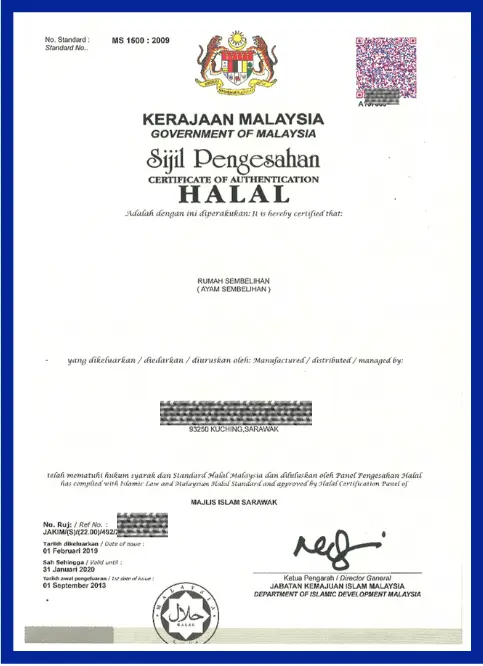
Once a restaurant implements a halal management system, it may apply for official halal certification.
The application process typically includes:
- Submitting documentation through the halal certification system
- Providing ingredient lists and supplier information
- Allowing inspection of kitchen facilities and operations
After approval, halal certificates are generally valid for two years, and businesses must renew them before expiry. Any changes in suppliers, menu items, or management must also be reported to the authorities.
Advisor

许可证顾问 - Ms. Mira
Ms. Mira, your dedicated licensing advisor, offers expert guidance on business licenses, permits, and regulatory compliance. Simplify your licensing process today!

Need Assistance with Halal Management?
By implementing proper ingredient control, kitchen management, staff training, and documentation processes, food businesses can ensure their operations meet Malaysia’s halal standards. .
Restaurant Halal Management System in Malaysia: A Guide for Food Businesses