
An e-Invoice is a digital invoice used to record business transactions between sellers and buyers. In Malaysia, the e-Invoice system is introduced to improve tax transparency, accuracy, and digital tax reporting.
The system is managed by the Inland Revenue Board of Malaysia (LHDN) as part of Malaysia’s digital tax transformation.
Businesses must register and use the e-Invoice system to ensure they comply with Malaysian tax regulations.
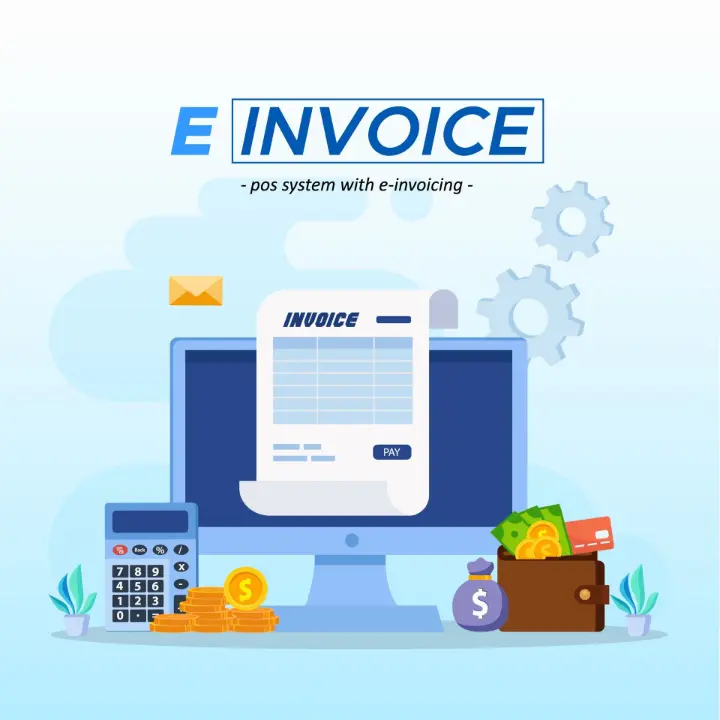
What Is an e-Invoice?
An e-Invoice is an electronic version of a traditional invoice that is submitted to the tax authority for validation.
It contains information such as:
- Seller and buyer details
- Invoice number
- Transaction date
- Description of goods or services
- Total amount and tax details
Once validated by the system, the e-Invoice becomes an official record for tax purposes.
Who Needs to Register for e-Invoice?
Most businesses in Malaysia will eventually need to implement e-Invoicing according to the schedule announced by the
Inland Revenue Board of Malaysia (LHDN).
This includes:
- Companies (Sdn Bhd or Berhad)
- Partnerships
- Sole proprietors
- Businesses issuing invoices for goods or services
The implementation is done in phases based on business annual revenue.
Steps to Register for e-Invoice in Malaysia
1. Register for the MyTax Account
Businesses must first have an account on the MyTax Portal.
This portal is used to manage tax services and access the e-Invoice system.
2. Access the e-Invoice System
After logging into the MyTax portal, businesses can access the e-Invoice module to start the registration process.
3. Set Up e-Invoice Integration
Businesses may choose one of the following methods:
- Use the MyInvois portal to manually create invoices
- Integrate their accounting or ERP system with the e-Invoice platform through API
This allows invoices to be submitted directly to the system.
4. Submit e-Invoices for Validation
When a transaction occurs, the business submits the invoice to the system.
The system will validate the invoice and generate a unique identification number once approved.
5. Send the Validated e-Invoice to the Customer
After validation, the e-Invoice can be shared with the customer as proof of the transaction.
Benefits of e-Invoice for Businesses
Implementing e-Invoice can bring several advantages:
- Better tax compliance
- Reduced manual paperwork
- Improved transaction accuracy
- Faster financial reporting
- More efficient business operations
It also helps businesses align with Malaysia’s digital tax reporting system.
Need Help Registering for e-Invoice in Malaysia?
Not sure how to set up your e-Invoice system? We’re here to help.
Our team can assist with e-Invoice registration, system setup, and compliance with requirements under the Inland Revenue Board of Malaysia (LHDN).
Contact us today to make your e-Invoice implementation simple and hassle-free.
Advisor

Licensing Advisor Ms Mira
Ms. Mira, your dedicated licensing advisor, offers expert guidance on business licenses, permits, and regulatory compliance. Simplify your licensing process today!
How to Register e-Invoice in Malaysia